Strength with preservation
A titanium-zirconium alloy engineered for strength, supporting smaller fixtures in selected cases to preserve more natural bone.
 Book a video call
Straumann® BLX · Seoul
Premium Swiss implants. A more thoughtful price.
Straumann BLX implants placed by a U.S. board-certified periodontist and implant surgeon — fixture, surgery, abutment and crown: 2,500,000 KRW at TU Dental Clinic in Seocho-gu, Seoul.
Why Straumann BLX
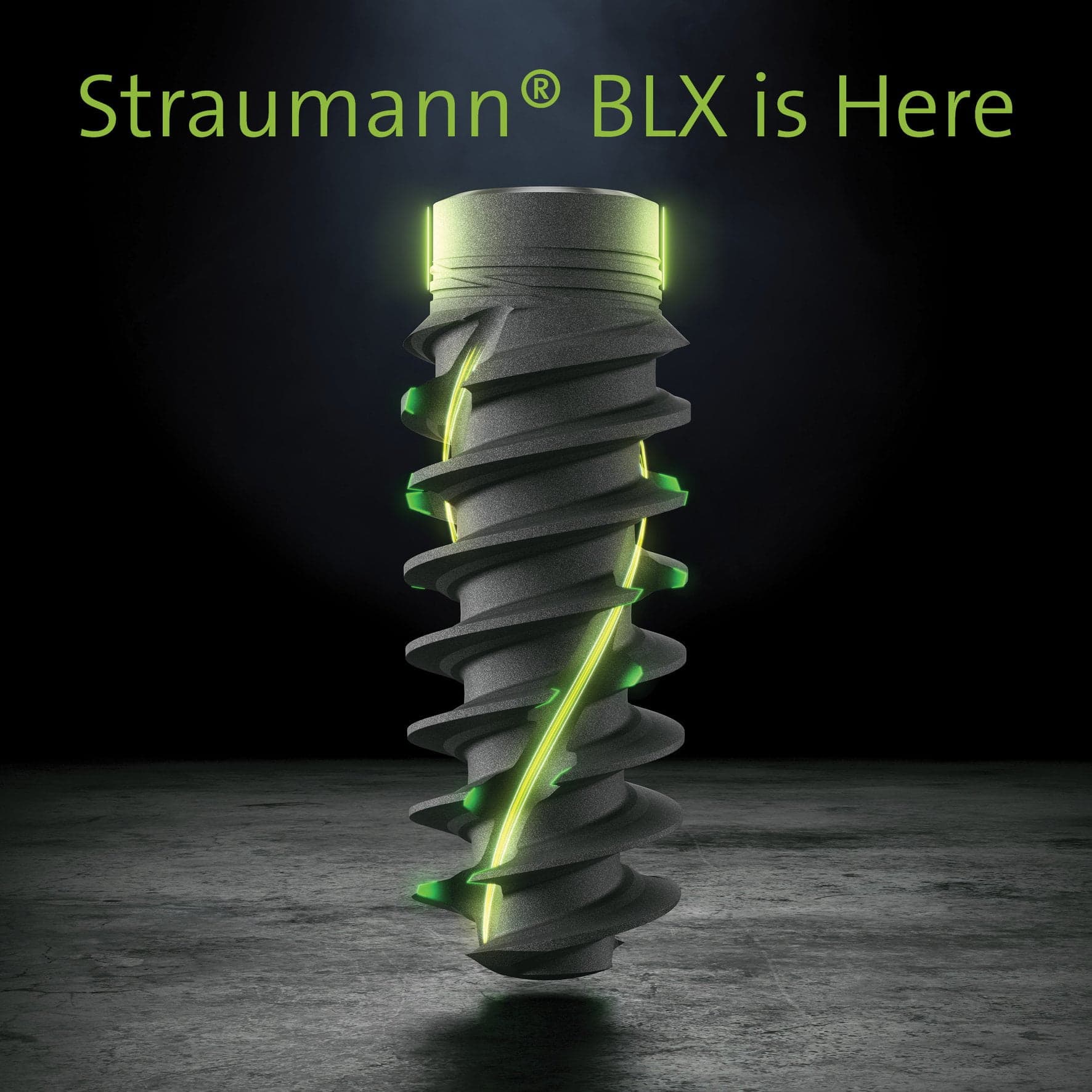
A titanium-zirconium alloy engineered for strength, supporting smaller fixtures in selected cases to preserve more natural bone.
An advanced surface developed to support predictable osseointegration, including demanding clinical situations.
A fully tapered system that can support immediate placement or loading in carefully selected cases.
Your implant surgeon
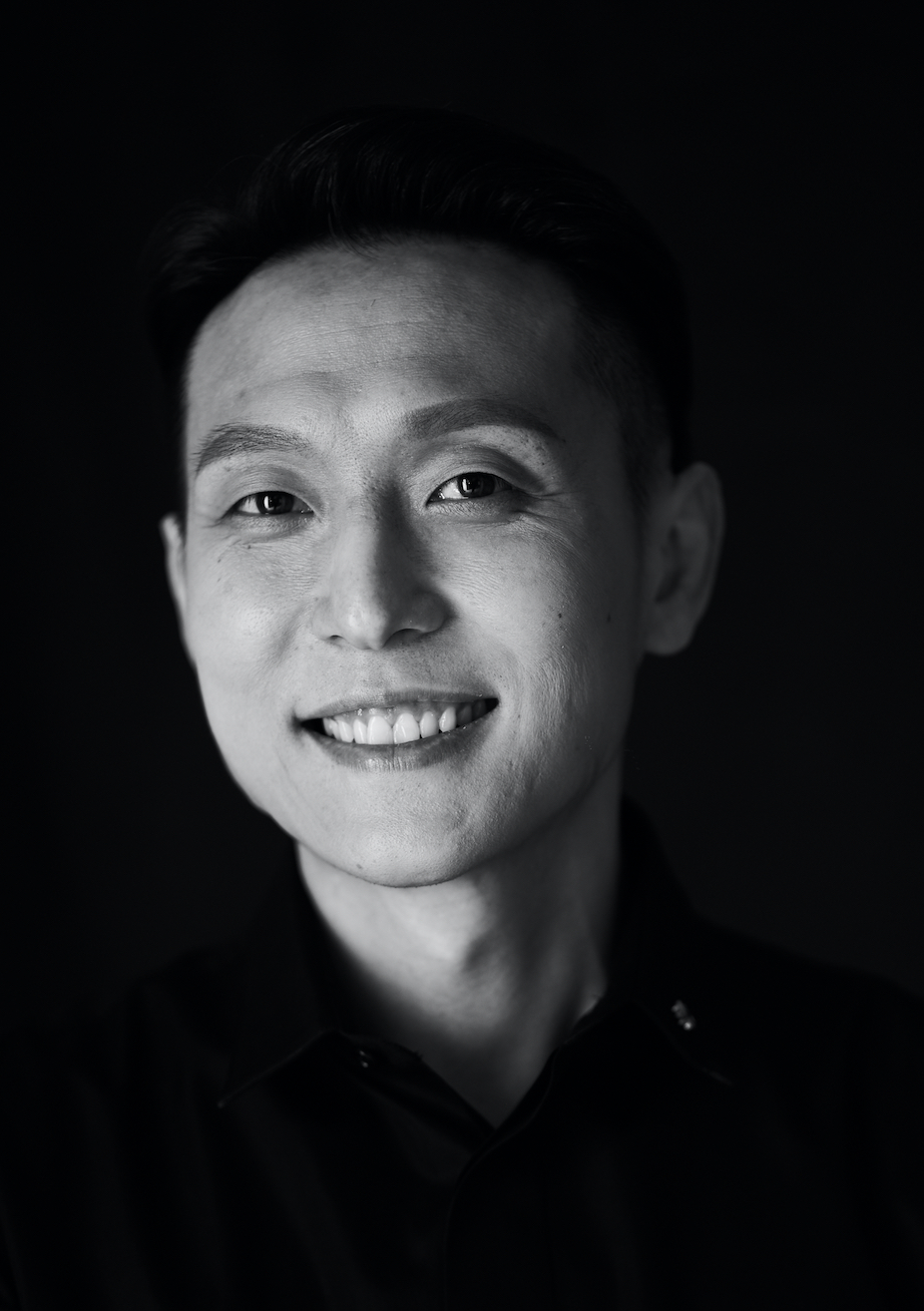
Dr. Hosan Park is a Diplomate of the American Board of Periodontology, trained at Columbia University. His specialty is the bone and gum tissue that determines implant stability. Every case is planned on 3D CT and placed by Dr. Park personally.
Implant pricing · September 2026
| Straumann BLX fixture | Included |
|---|---|
| Implant placement surgery | Included |
| Abutment | Included |
| Final crown | Included |
| Bone grafting, sinus lift or other additional care | Separate assessment and quote |
Documented results
Implant FAQ
The 2,500,000 KRW fee includes the Straumann BLX fixture, implant surgery, abutment and final crown. Any additional treatment, such as bone grafting or a sinus lift, is assessed and quoted separately. Pricing updated September 27, 2026.
Treatment usually has a surgical phase and a later restorative phase, with review appointments as needed. Healing can take several months and may be longer with grafting. Immediate loading is possible only in selected cases; confirm your schedule before booking travel.
Often, yes. Periodontal reconstruction and smaller-diameter Roxolid fixtures can expand options, but a CT review is needed for an honest assessment.
With good hygiene and regular care, implants can last for decades. Long-term success depends on diagnosis, surgery, tissue health and maintenance.
An implant can replace a missing tooth when the overall health, gum condition and available bone support a safe plan. Examination and imaging assess the space, adjacent teeth, bite and the position of nearby nerves or sinuses. Suitability depends on the whole site, rather than the brand of fixture alone.
Active periodontal disease should be controlled first. Smoking, a history of periodontitis, poorly controlled diabetes and difficulty maintaining oral hygiene require particular attention. Tell the clinician about medications and medical conditions. A bridge, removable restoration or delaying surgery may be a better option in some situations.
Limited bone does not automatically rule out treatment. The plan may involve augmentation, a different implant size or a staged approach. Smaller implants are not suitable for every site, and no fixture design eliminates the need to evaluate bone and tissue support. A CBCT scan helps assess the anatomy when clinically indicated.
Implant treatment commonly involves placement followed by a healing period and later crown delivery. A temporary tooth is different from the final crown. Immediate placement after extraction and immediate loading are separate decisions; neither is assured simply because BLX is used. Travel plans should allow for reviews and any additional care.
Risks include pain, swelling, bleeding, infection, failure to integrate with bone and injury to nearby structures. Later problems can include inflammation around the implant, bone loss, loose components or a damaged crown. Your consultation addresses the risks relevant to your anatomy and health, along with alternatives.
A 2019 systematic review estimated 10-year implant survival at 96.4%; a sensitivity analysis accounting for missing follow-up data estimated 93.2%. These are pooled estimates across implant studies, not BLX-specific outcomes or a guarantee for an individual patient. Survival also does not mean freedom from repair or inflammation. [1]
Daily cleaning and continuing professional maintenance remain important after the crown is fitted. Bleeding, soreness or swelling around an implant warrants review. Peri-implant disease can affect soft tissue and, in more advanced disease, supporting bone. [2]
Treating clinician: Dr. Hosan Park, DDS · Diplomate, American Board of Periodontology
Last updated: . General patient education; an examination is required for personal advice.
Remote implant assessment
Share a recent panoramic X-ray or a few photos with Dr. Park’s international team and receive an assessment and transparent quote within 24 hours.
Measured advice
02Transparent quote
03Private follow-up