Ivoclar e.max CAD
Premium lithium disilicate selected for a precise fit, dependable strength and enamel-like translucency.
 Book a video call
One-day veneers · TU Dental Clinic, Seoul
One day. Your natural smile, refined.
Premium e.max porcelain veneers, digitally designed and hand-finished in a single coordinated visit for international patients.
Why one day works
Digital scanning, ceramic design, milling and master-ceramist finishing happen in one clinical workflow. That is what turns a multi-week process into one carefully paced day.
Premium lithium disilicate selected for a precise fit, dependable strength and enamel-like translucency.
Minimal preparation whenever the case allows, with the health of enamel, gums and bite guiding every aesthetic decision.
Your treatment day
Clinical examination, facially driven photography and digital smile design before treatment begins.
A preservation-first approach removes only what the clinical situation requires.
A precise 3D scan replaces conventional impression material and moves directly into design.
e.max CAD lithium disilicate veneers are milled inside the clinic while you take a break.
Each veneer is layered, stained and glazed for natural translucency, texture and shade.
You approve shape and shade before final precision bonding, bite checks and polishing.
Who it can help
Frequently asked
Most one-day veneer cases run from morning to evening. The exact schedule depends on the number of veneers and complexity of the design.
Local anesthesia is used when needed. Most patients report pressure and vibration rather than pain, with temporary sensitivity possible after treatment.
We usually limit production to 8–10 veneers per day to protect fit, characterization and finishing quality.
Many international patients schedule a follow-up check the next day before flying. We recommend a two- or three-day stay so the visit never feels rushed.
Request a current written quote for treatment at TU Dental Clinic. Confirm the material, number of teeth, preparatory care, fabrication, bonding, adjustments and follow-up before booking.
Request a current written quote for TU Dental Clinic. Earlier clinic fees should not be used to budget a new appointment. The total depends on the material, number of teeth and preparatory treatment. Request a written quote confirming preparation, ceramic fabrication, bonding, adjustments and follow-up before booking.
Location and booking information updated October 13, 2026. Confirm the current fee and payment currency with the team.
Clinical cases
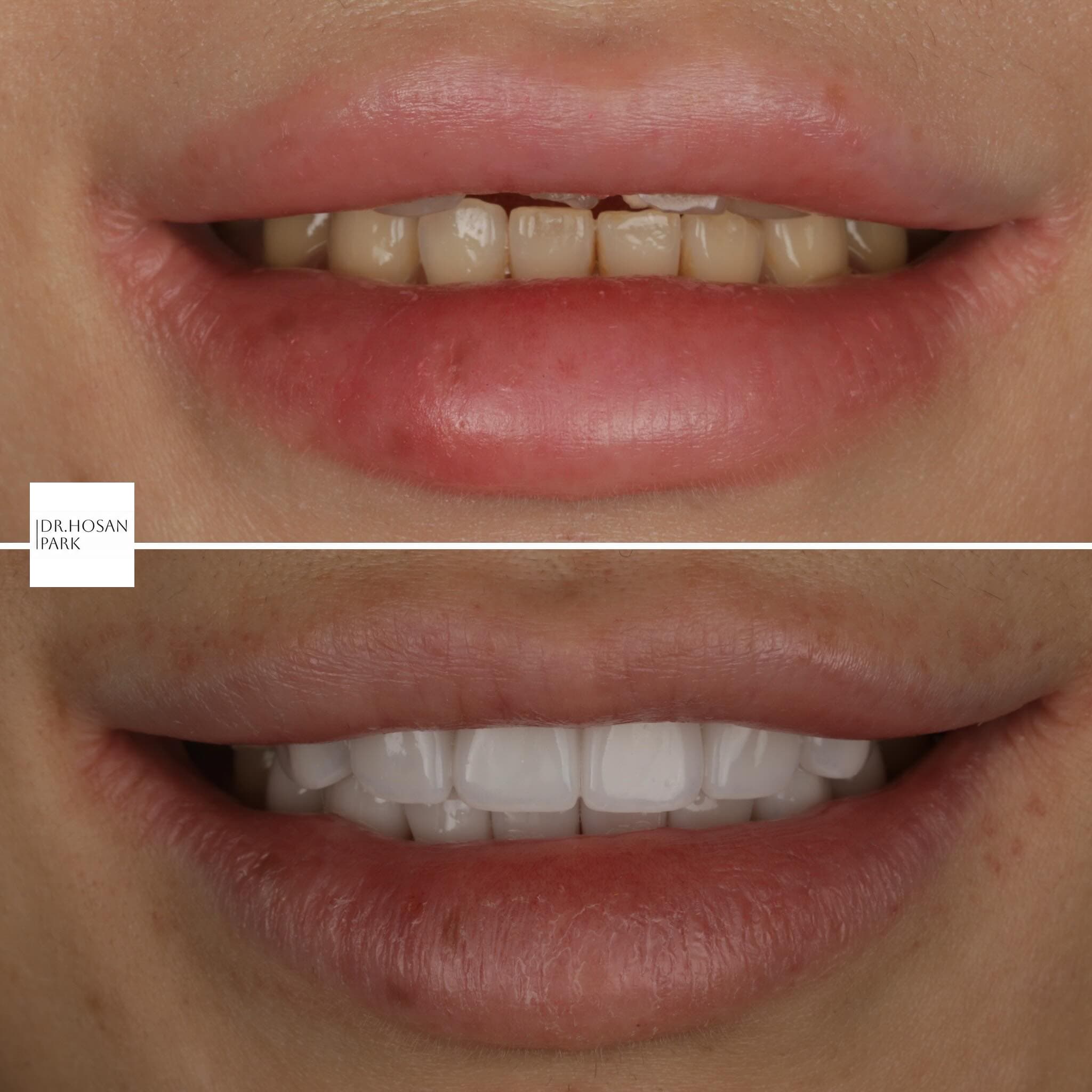
Existing clinical photographs from our case portfolio. Individual results vary; veneers and preparation are planned for each patient.
Explore the case portfolio →Veneers may improve the shape, shade or edges of front teeth when the teeth and supporting gums are healthy. The examination checks decay, existing restorations, enamel available for bonding and the way the teeth meet. A photograph can begin a discussion, but it cannot establish whether preparation or bonding is appropriate.
Untreated decay or gum disease needs attention before cosmetic treatment. Severe crowding, an unstable bite, heavy tooth grinding or very limited enamel can change the plan. Orthodontics, whitening or direct composite bonding may be more appropriate. A tooth with substantial structural loss may need a different restoration. “Minimal preparation” does not mean that every tooth can be treated without removing enamel.
Veneer preparation is generally irreversible. Possible problems include sensitivity, chipping, fracture, debonding, decay at the margin and a need for later repair or replacement. Shade and shape should be discussed at the try-in; the final appearance also depends on the underlying tooth. A one-day fabrication workflow does not remove these considerations.
Care includes daily cleaning around the margins, regular dental reviews and checking a bite that feels uneven. Discuss a protective appliance if you grind your teeth. Tell the team about any pain, looseness or changes in the gums. A longer treatment schedule may be safer if gum health, bite adjustment or other preparatory work needs time.
A 2025 systematic review by Klein and colleagues estimated 96.81% survival for lithium disilicate veneers at a mean 10.4 years, with a pooled technical complication rate of 6.1%. Survival means a restoration remained in service; it does not mean it was complication-free. [1]
These pooled findings describe selected published cohorts, not Dr. Park’s own outcomes or a guarantee for one-day e.max CAD treatment. Studies varied in patients and methods, and the long-term lithium disilicate evidence included pressed ceramics. Material, enamel bonding, bite and maintenance all need consideration.
Before reserving treatment dates, send your concerns and available records. Ask how many teeth need treatment and why, which alternatives were considered, and how follow-up will work after you return home. Keep time for an in-person examination and a review appointment. The number of veneers made in one day depends on the clinical and laboratory plan.
Treating clinician: Dr. Hosan Park, DDS · Diplomate, American Board of Periodontology
Last updated: . General patient education; an examination is required for personal advice.
Your first consultation is remote
Email Dr. Park for a personal consultation. Only your name and email are required; all other details are optional.
Measured advice
02Transparent quote
03Private follow-up